
Camping and Kayaking – Planning the Ultimate UK Paddle Adventure
Dawn breaks over Loch Katrine, and steam rises from my coffee cup as I watch a heron stalk the shallows. Twenty metres away, my kayak sits beached on the pebbles where I dragged it last night. This is what camping and kayaking together offers: waking up already at the water’s edge, ready to slip into a world most campers never experience.
The two activities work better together than apart. Your tent becomes a waterside base camp. Your paddle becomes a key to hidden coves and quiet backwaters that car-bound campers never reach. Planning takes more thought than either activity alone, but anyone who’s done it once tends to keep coming back.
Choosing Your Camping and Kayaking Base
Location drives everything else. You need a campsite that welcomes paddlers and provides
water access that actually works.
Some campsites advertise “lakeside pitches” but place you fifty metres from water across boggy ground. Others offer perfect launch spots but charge extra for waterside pitches that book up months ahead. It pays to research the actual access before committing. Phone the campsite directly and ask about launching, overnight kayak storage, and whether you can drag boats across their land. Many owners appreciate the call and offer useful local knowledge in return.
Wild camping opens more possibilities but requires careful planning. Scotland’s right to roam includes most waterways, which makes it particularly appealing for paddle camping. England and Wales demand more research into access rights and landowner permissions, but the Norfolk Broads and parts of the Wye Valley have established arrangements that make multi-day trips workable.
Essential Gear for Water-Based Camping
Packing for a combined trip means thinking in layers: what you need on the water, what you need in camp, and what serves both.
Dry bags do most of the heavy lifting. Everything that matters goes in waterproof storage even on calm-looking days. UK weather has a habit of turning, and a sudden downpour can soak gear you thought was safely stowed under a deck bungee.

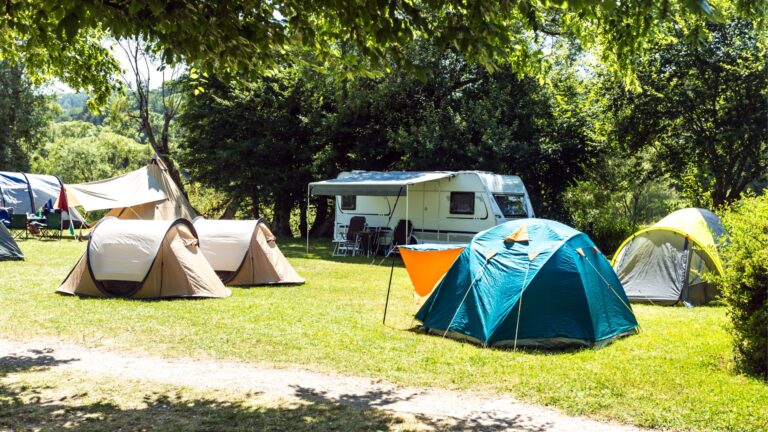
Your tent choice matters more here than for standard camping. The waterproof ratings that handle a wet weekend in the Peaks may not cope with the constant humidity of pitching three metres from a loch shore. Ventilation becomes critical when condensation is the main enemy rather than direct rain.
Clothing needs a similar rethink. Quick-dry synthetics or merino work far better than cotton when you’re moving between wet and dry environments all day. Pack spare layers in sealed bags, because damp clothes in a humid tent make for miserable nights.
Think about kayak storage overnight too. Some paddlers sleep with expensive boats locked to their car or a tree. Others feel fine leaving them pulled well up the beach with a cable lock. Know your comfort level and the campsite’s setup before you arrive.
Planning Your Paddle Routes
The best combined trips balance ambitious paddling with proper base camp time. Overplanning kills the spontaneous joy of following an interesting creek or exploring an inviting bay just because it caught your eye.
Start with shorter routes than you’d attempt on a day trip. Carrying camping kit changes your boat’s handling. It sits lower, turns slower, and you’ll want energy left for setting up camp and enjoying the evening rather than collapsing into your sleeping bag at sunset.
Weather windows matter more once you’re committed to sleeping outdoors. Check forecasts obsessively, but also learn to read local conditions. Wind direction affects different stretches of water differently, and what looks calm from your tent might be choppy around the next headland.
Tidal waters add complexity but also opportunity. Timing your paddle with the tide can turn a tough slog into an effortless glide, especially on the longer estuary trips around Pembrokeshire or Cornwall. The free Easytide service from the UK Hydrographic Office covers most launch points worth knowing about.
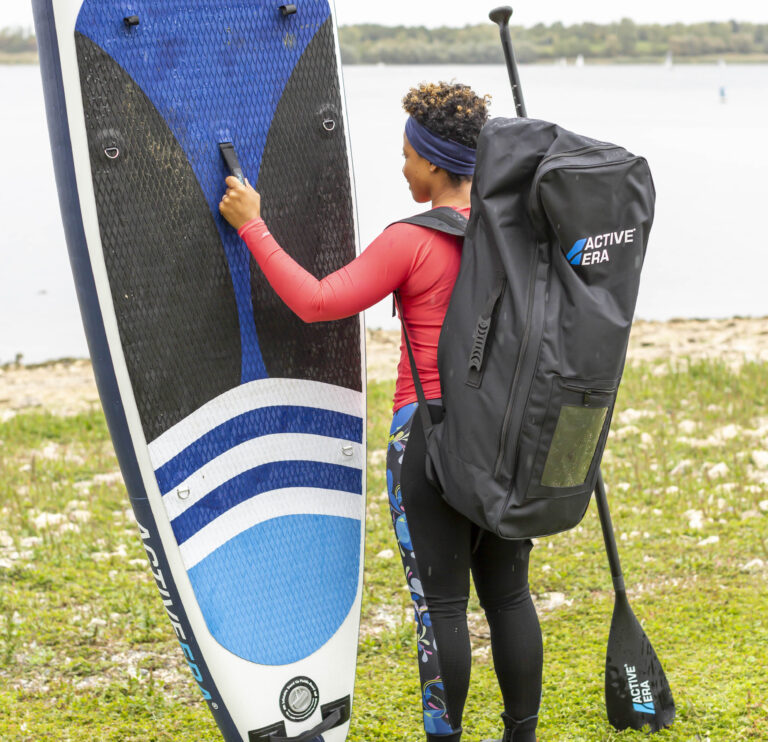
Leave room in your plans for what the weather actually does. Bad weather might trap you in camp for a day; perfect conditions might tempt you further than you’d planned. Razor Kayaks packable inflatables work especially well for this kind of flexible trip. When you can stash the kayak back in your boot for a rest day, the whole approach gets easier.
UK Destinations Worth the Journey
The Lake District combines reliable campsites with stunning paddling, though popularity means booking ahead for waterside pitches. Ullswater offers some of the best combinations in the country, with several campsites providing direct water access and routes that suit different skill levels.
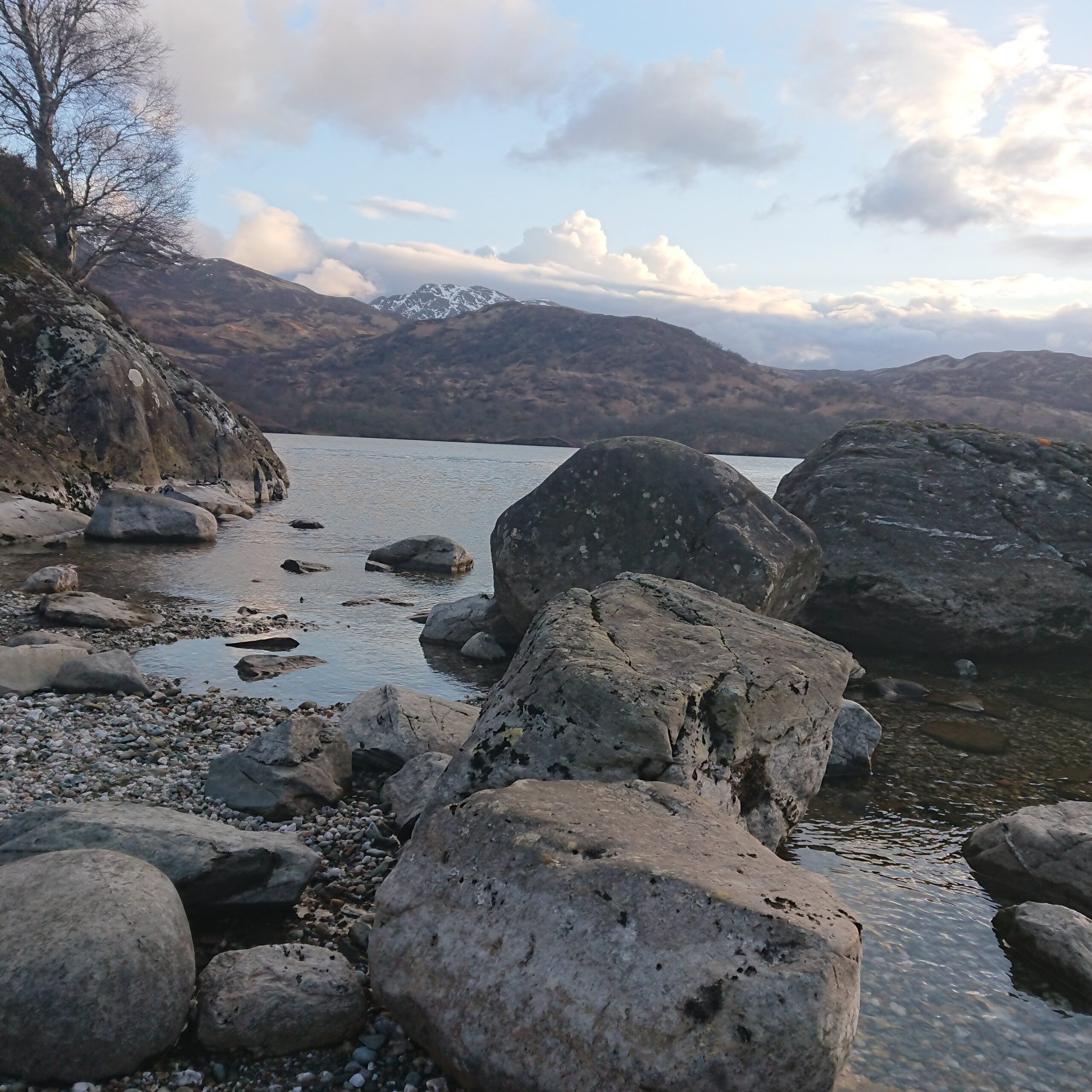
Scotland’s lochs deliver the more remote experiences. Loch Lomond’s eastern shore has campsites that cater specifically to paddlers, while the Trossachs and Loch Awe offer wild camping options for anyone comfortable with more adventurous setups.
River systems are easy to overlook but well worth considering. The Wye Valley provides gentle paddling with numerous campsites along the route, ideal for multi-day trips where you move camp each day rather than basing yourself in one spot. The Norfolk Broads offer a different landscape entirely. Flat water, wide skies, and a network of moorings and campsites that blends camping and kayaking into something close to a floating holiday.
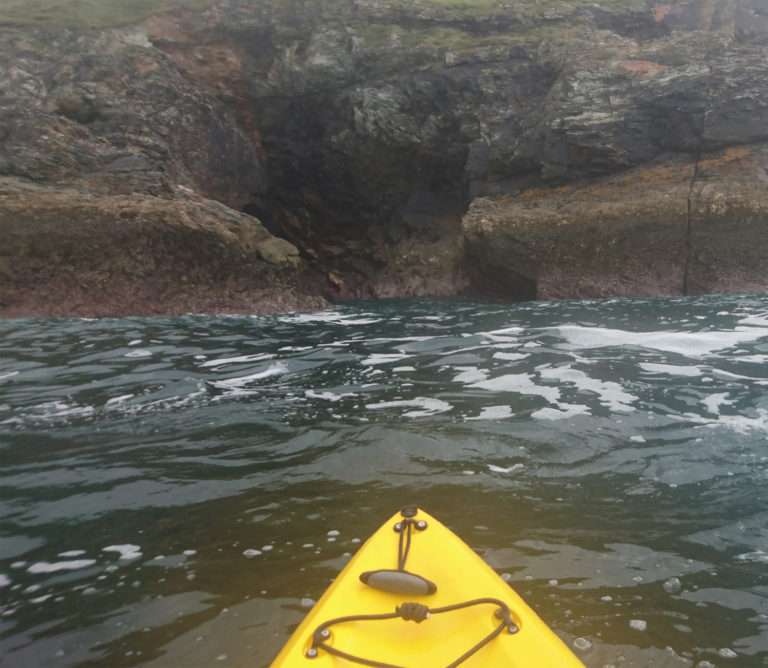
Coastal options exist but require more careful planning around tides and weather. The Pembrokeshire coast has campsites positioned for sea kayaking, though these suit more experienced paddlers comfortable with marine conditions and Atlantic swells.

Making the Most of Your Adventure
The best moments often come outside the active paddling hours. Early launches when mist still clings to the water. Evening returns when other day-trippers have left and the water belongs to wildlife again. A camp chair that faces the water earns its place in the boot. You’ll spend more time watching the lake or river than you’d expect.
Photography equipment needs extra protection but rewards the effort. Sunrise and sunset shots from waterside camps capture light that day-visitors miss entirely. Cheap waterproof phone pouches prevent expensive accidents during launches and landings, and they’re worth the few pounds even on calm days.
Food planning differs from standard camping. You’ll work harder on the water and want more substantial meals, but you’ll also have less appetite for complex cooking after a full day paddling. Simple one-pot stuff usually wins out over ambitious camp cuisine. Pre-cooked rice, a tin of beans, some chorizo, hot sauce: ten minutes from stove to plate, and you’re back to watching the water.
Weather will test gear and patience. Some days you’ll spend more time in your tent than on the water, so bring a book, a deck of cards, or whatever else keeps you content under canvas for an afternoon. The trips that go best tend to be the ones that work with whatever conditions turn up rather than fighting them.
The first combined trip teaches more than any amount of reading. Start modest, see what you actually enjoy, then build from there.
DISCLOSURE | This post has been placed by a third party.