What to Consider When Choosing a Campsite for Your Next Holiday
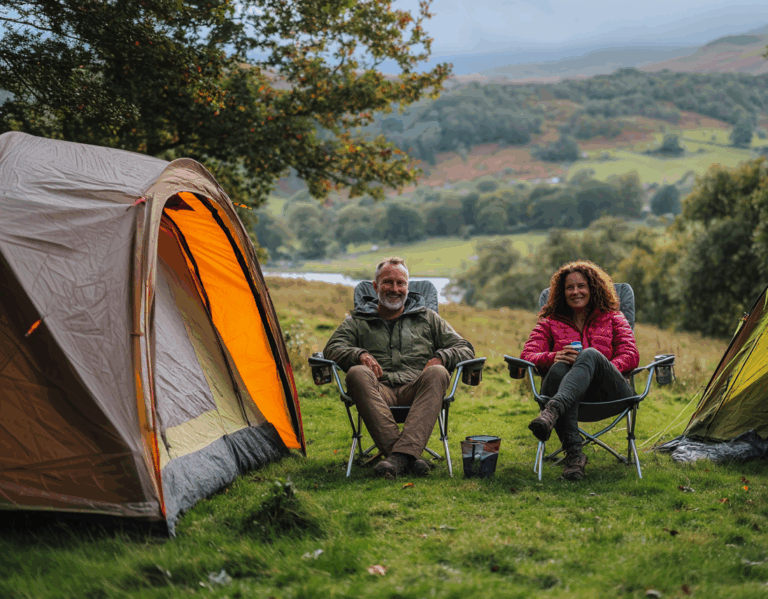
There’s something wonderfully freeing about pitching a tent or parking up a motorhome in a beautiful corner of the countryside, and it’s no surprise that camping remains such a beloved pastime across the UK. Read on to find out what you should consider when choosing a campsite.
From the rolling hills of the Peak District to the coastal charm of Kent and East Sussex, holidaymakers have no shortage of choice when it comes to finding the perfect spot to unwind. Yet with so many options on offer, from Suffolk to Essex and beyond, picking the right campsite can feel like a bit of a minefield. Get it right, though, and it’s the difference between a so-so trip and a holiday you’ll still be talking about years later.
Main considerations
- Choosing the right campsite is essential for a memorable holiday, as it’s about balancing location, convenience and personal comfort.
- Location should prioritise proximity to local attractions, shops and scenic walking routes, while also making sure the site suits your particular vehicle.
- Transport links and road access matter a great deal, especially if you’re towing a caravan or driving a large motorhome down narrow country lanes.
- Practical facilities such as pitch type, electrical hook-ups and waste disposal should be weighed up against your own camping needs.
- Clean, well-kept sanitary facilities — shower blocks and toilets in particular — can make or break a stay.
- Families in particular should look for sites with clear safety policies, sensible pet rules and set quiet hours.
- Guest reviews and sustainability awards are usually a good shortcut to working out what a site is really like.
Essential Location and Accessibility Factors
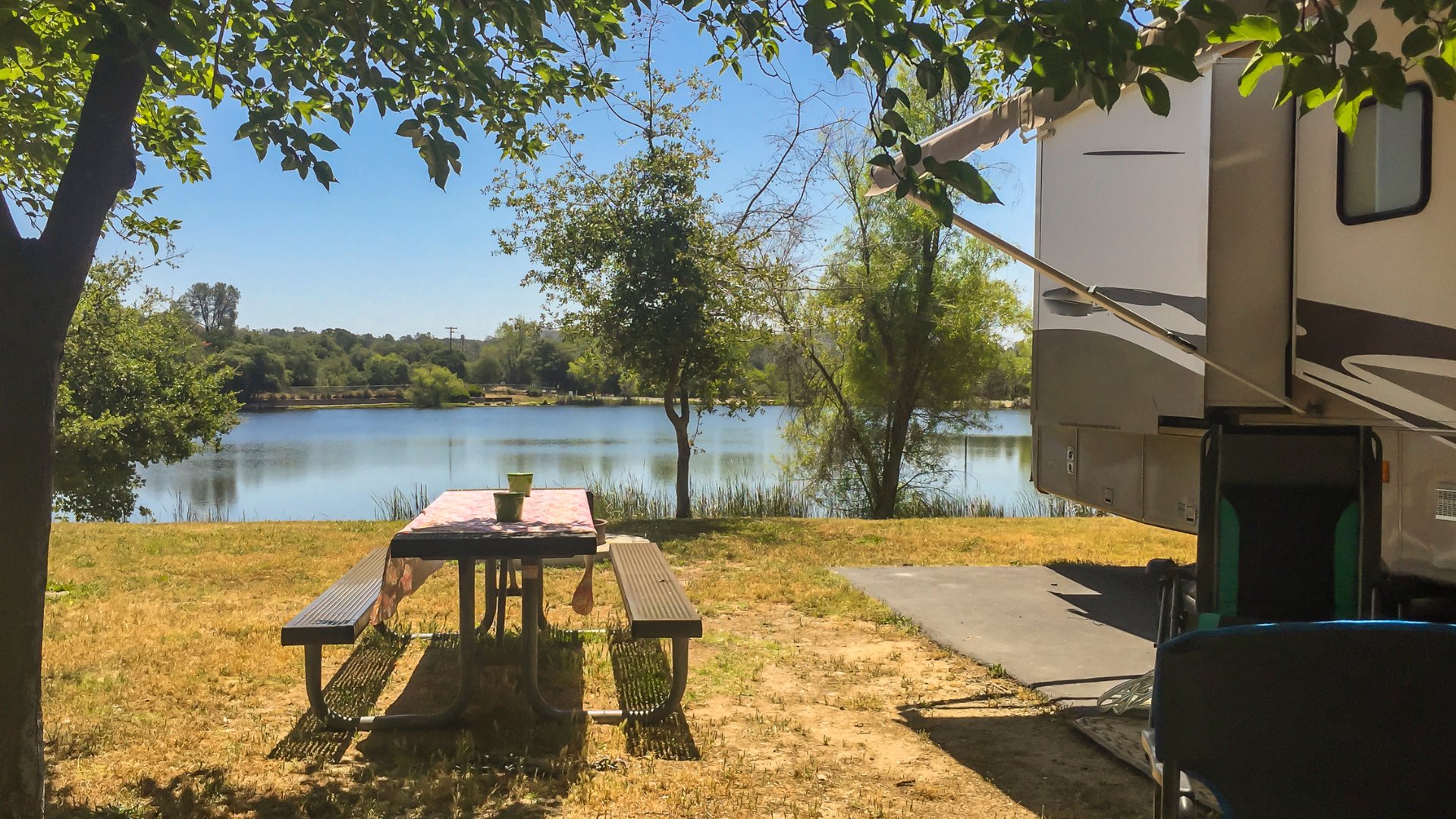
Location is usually the first thing people think about when picking a campsite, and for good reason. Get it right, and it can transform the whole holiday, putting you within easy reach of the sights and activities that drew you to the area in the first place.
It’s worth deciding early on whether you fancy trying somewhere new or heading back to an old favourite. Either way, it’s a good idea to Explore different types of campsites on verycamping.com to get a feel for what’s out there before you settle on a booking.
Proximity to Local Amenities and Attractions
A site close to local shops, pubs and attractions is generally far more convenient than one stuck out on its own. Being able to walk to a village pub for dinner, or pop into a farm shop for fresh food, adds a surprising amount to a stay.
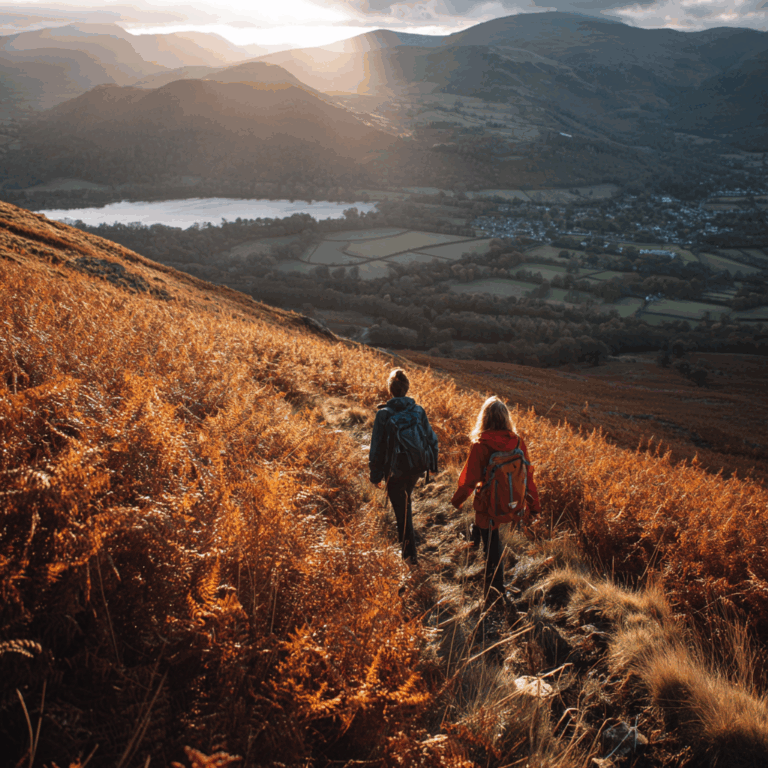
Plenty of campers also look for nearby country walks and trails, especially those bringing dogs along, who’ll want proper walking routes close by. Open, grassy areas are a bonus too, giving kids and pets room to run around, which tends to make the whole trip feel a lot more relaxed.
Transport Links and Travel Time Considerations
It’s also worth thinking about how easy the site actually is to reach, and how easy it’ll be to get around once you’re there. A long, tiring journey can take the edge off even the loveliest destination, so it pays to check road access and travel times before booking.
This matters even more if you’re towing a caravan or driving a larger motorhome, since narrow country lanes can catch people out. Good transport links also make it easier to explore further afield during the stay, whether that’s a day trip into town or a visit to a well-known local spot.
Facilities and Comfort Requirements
Once the location’s sorted, the next thing to think about is the practical side of things — the stuff that shapes your day-to-day comfort. This is very much down to personal taste, since what works for a family with young kids might not suit a couple after a quiet break.
On-Site Amenities and Pitch Quality
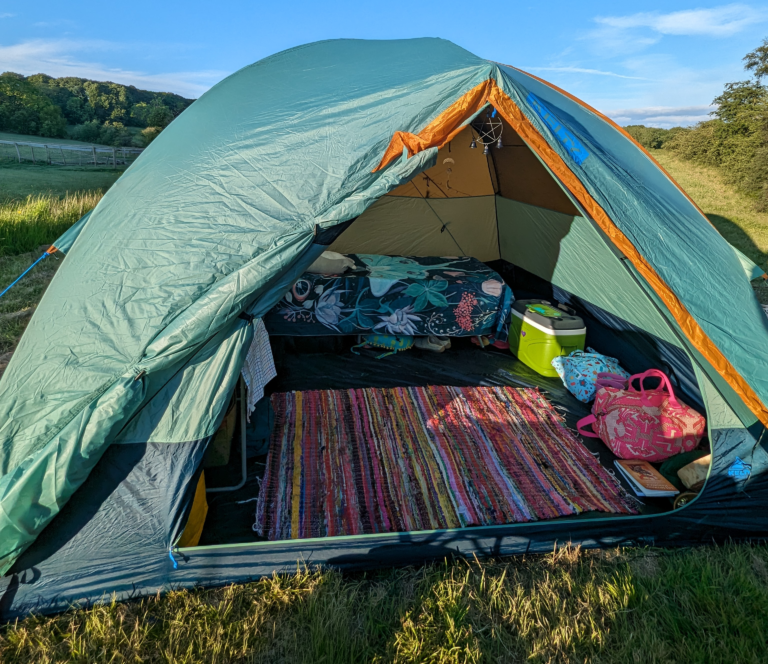
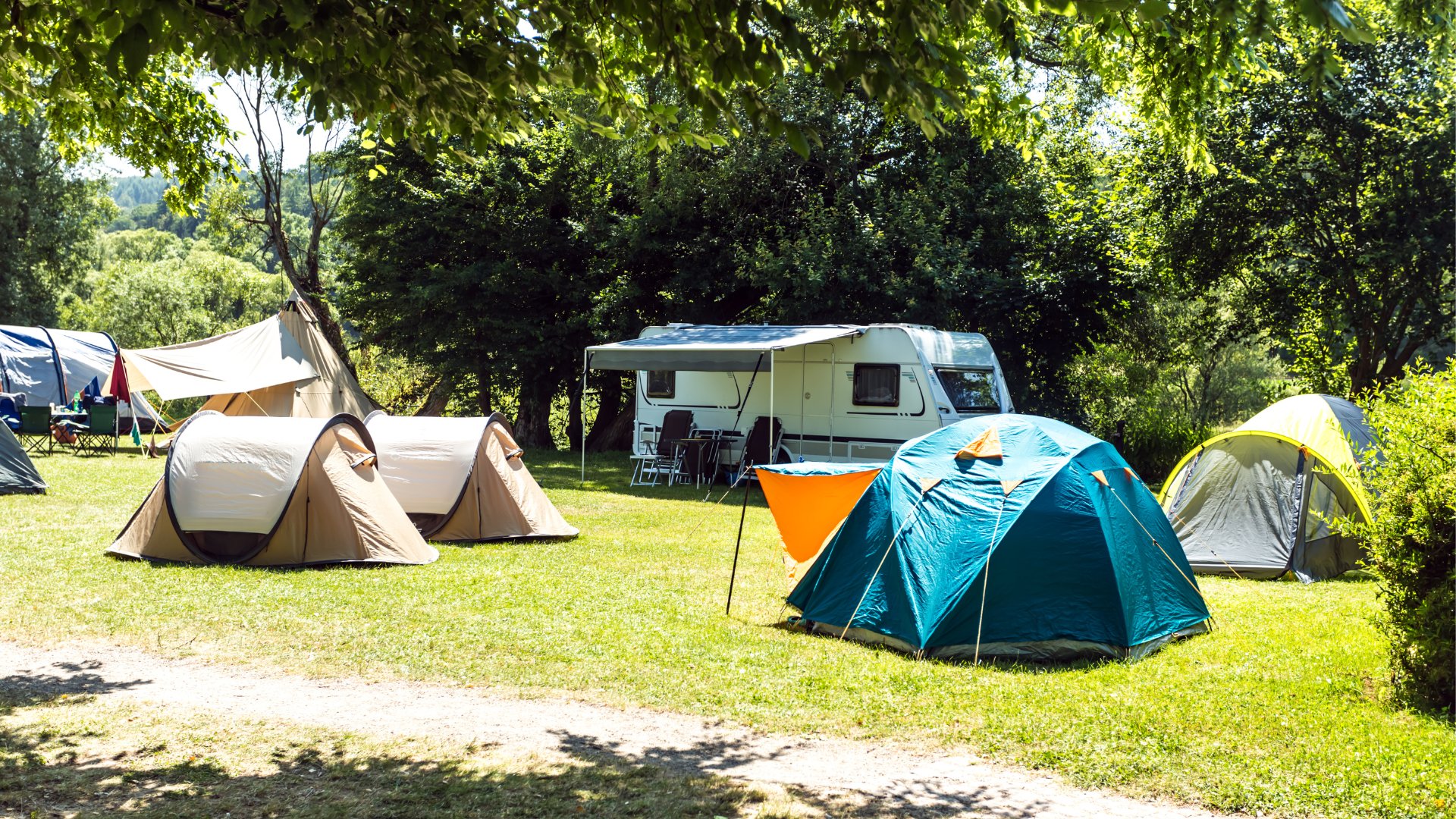
One of the first decisions is pitch type. Grass pitches usually suit tents best, giving a softer feel underfoot, while hardstanding pitches tend to work better for motorhomes and caravans that need a level, stable base. Pitch size is worth checking too, especially if you’re travelling with extra kit or just like a bit more space.
It’s also worth finding out whether electric hook-ups are included or cost extra, and whether water points and waste disposal are easy to get to. Companies like Sellers Leisure have built a name for privately owned sites with genuinely good facilities, covering everything from touring and camping to glamping and holiday cottages, depending on what kind of break you’re after.
Sanitary facilities are worth paying close attention to – clean, well-maintained shower blocks and toilets really do make a difference to how much you enjoy a stay. Some sites take this further, with facilities that wouldn’t look out of place in a hotel. Sustainability is becoming more of a priority for campers too, with many now favouring sites that take real steps to look after their surroundings.
Safety Features and Family-Friendly Provisions
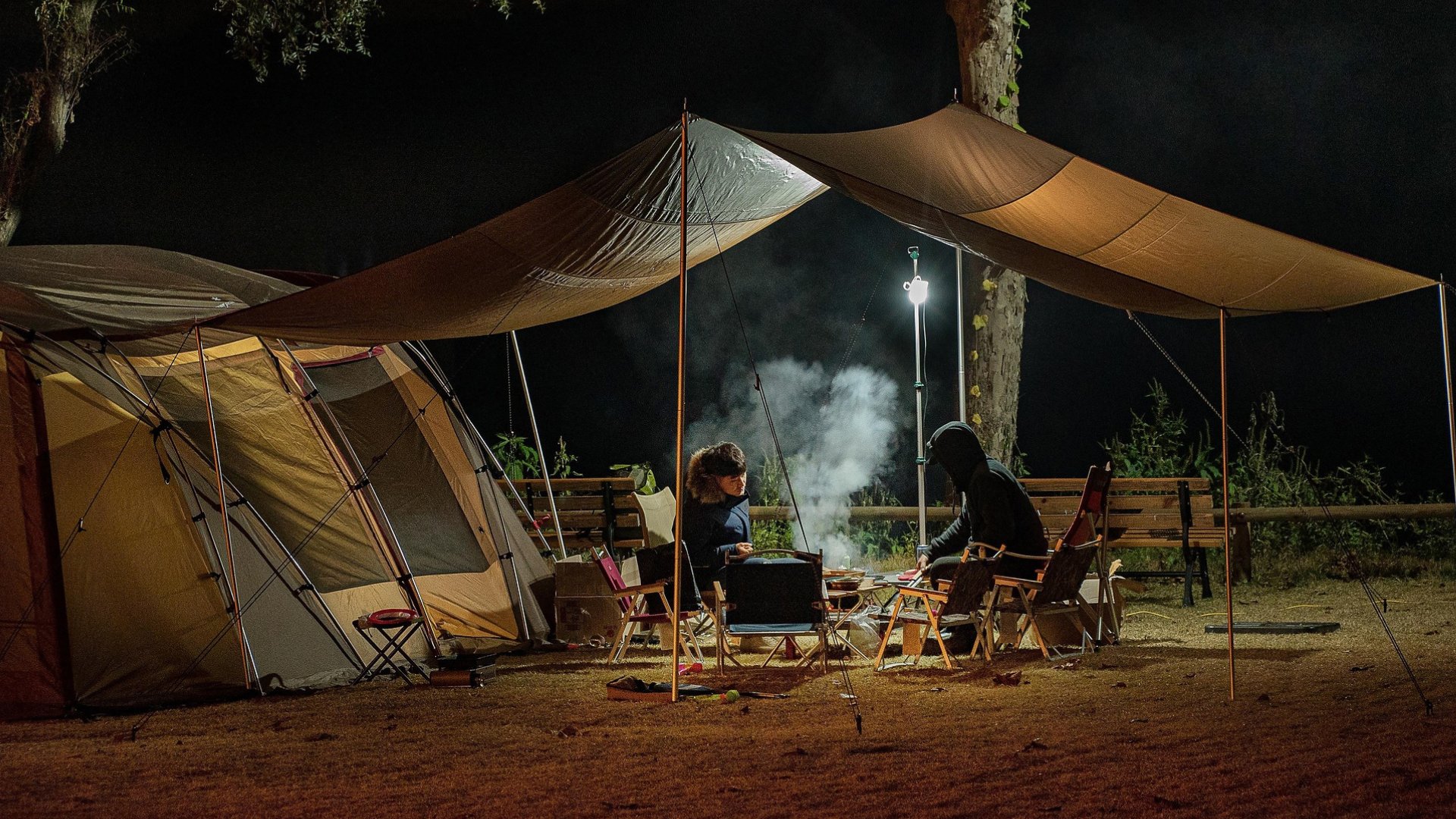
For families, safety and flexibility tend to matter most. It’s worth checking a site’s pet policy, along with check-in and check-out times, since these can vary a fair bit from one place to the next. Quiet hours are another thing to look out for, particularly if a peaceful night’s sleep is high on the list.
Reading guest reviews beforehand can give a much clearer picture of what a site’s really like, and any awards or accreditations are a decent stamp of approval. Hartington Hills, tucked away in the Peak District near Hulme End at Hartington, is a good example – it’s picked up the Environmental Quality Mark Award for its sustainability work.
It is clearly a site built around family-friendly touches, welcoming pets and offering the kind of small details that make a holiday feel special. Taking the time to look into all this before booking is really what makes the difference between an average trip and a great one.
DISCLOSURE | This post has been placed by a third party as part of an agreed brand collaboration.